Oral surgery may be considered when tooth damage, impacted teeth, infections, jaw concerns, or structural oral conditions cannot be managed through conservative treatment alone. Recommendations often depend on symptom severity, imaging findings, bone support, and long-term oral health goals. At Smile 312 Chicago's Premier Dentist, many patients begin with Emergency Dentistry evaluations because swelling, pain, infections, and sudden dental concerns may help identify whether surgical evaluation or additional treatment is appropriate.
At Smile312, our Chicago dental team is dedicated to providing exceptional care for every smile. From routine checkups to advanced treatments, we combine expertise, compassion, and modern technology to keep your teeth healthy and your experience stress-free. Discover dentistry that puts your comfort and wellness first.
Oral surgery refers to procedures involving teeth, gums, jaw structures, bone support, or surrounding oral tissues when advanced treatment may be necessary.
Healing timelines may range from several days to several months depending on procedure complexity, bone involvement, and individual healing factors.
Surgical evaluation may be recommended when oral conditions extend beyond what routine restorative or preventive care can address.
Examples may include:
Advanced oral condition → structural complications → surgical evaluation
For example, a patient with extensive decay extending below the gumline may not benefit from a standard filling or crown alone.
According to the American Association of Oral and Maxillofacial Surgeons, surgical treatment may sometimes be considered when tooth position, infection, jaw conditions, or structural complications affect long-term oral health and function.
Certain symptoms may indicate underlying structural or functional concerns that require additional assessment.
Common symptoms may include:
Ongoing symptoms → condition progression → treatment assessment
For example, repeated swelling around wisdom teeth may indicate impaction, inflammation, or infection requiring further evaluation.
Patients experiencing chronic jaw pressure or bite-related discomfort sometimes explore TMJ Therapy when functional symptoms affect daily comfort.
If symptoms become severe or sudden, Emergency Dentistry evaluations may help determine whether urgent treatment or referral is necessary.
Different oral health conditions affect teeth, gums, bone structures, and surrounding tissues differently. Some situations may increase the likelihood of surgical treatment recommendations.
| Condition | Possible Treatment Consideration |
| Impacted wisdom teeth | Tooth removal evaluation |
| Severe tooth infection | Extraction or infection management |
| Bone loss | Bone support evaluation |
| Missing teeth | Implant-related preparation |
| Bite abnormalities | Corrective treatment assessment |
| Oral cysts or tissue concerns | Surgical consultation |
Treatment recommendations vary because some conditions respond well to restorative or preventive care, while others may require more advanced management.
Impacted wisdom teeth may create pressure, swelling, hygiene difficulties, or discomfort when teeth cannot erupt normally.
Common findings may include:
Limited eruption → tissue pressure → evaluation for removal
For example, partially erupted wisdom teeth may trap bacteria and increase irritation near surrounding gum tissue.
Missing teeth may contribute to gradual bone changes over time. In some situations, supportive procedures may be considered before long-term tooth replacement treatment.
Examples may include:
Bone loss or structural change → reduced support → restorative preparation
Patients considering Dental Implants sometimes require supportive evaluations before implant placement planning begins.
Dental evaluations help determine whether conservative care, restorative treatment, or surgical evaluation best fits a patient’s condition.
Assessment methods may include:
Diagnostic findings → treatment selection → individualized recommendations
For example, a patient with impacted molars and jaw discomfort may follow a different treatment pathway than a patient with isolated tooth sensitivity.
Smile 312 emphasizes digital technology and individualized treatment planning to support diagnostic precision, patient comfort, and condition-specific care recommendations.
| Condition | Conservative Treatment | Additional Treatment May Be Considered |
| Mild tooth decay | Fillings | Extraction if damage becomes extensive |
| Dental infection | Root canal therapy or medication | Extraction if infection progresses |
| Crowding | Orthodontic treatment | Surgical evaluation if eruption is blocked |
| Missing teeth with bone loss | Dentures or bridges | Supportive bone procedures before implants |
Recovery experiences often depend on:
Procedure complexity → healing variation → personalized recovery guidance
For example, healing after a simple extraction may differ significantly from recovery following bone-related procedures.
Not always. Diagnostic findings, imaging, and the underlying condition help determine appropriate treatment recommendations.
In some situations, extraction or surgical treatment may be considered if infection severity or structural damage limits tooth preservation options.
No. Tooth position, symptoms, oral hygiene access, and surrounding tissue health all influence treatment recommendations.
Procedures often involve anesthesia and comfort-focused techniques designed to improve treatment comfort. Recovery experiences vary depending on the procedure and individual healing response.
Recovery timelines depend on procedure complexity, healing response, and overall oral health factors.
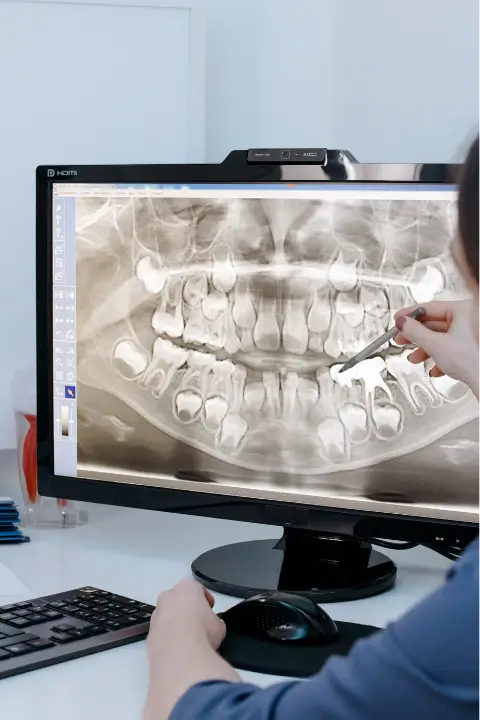
Oral health conditions may affect teeth, jaw structures, gums, and bone support differently depending on severity and progression. Identifying the underlying cause may help determine whether preventive care, restorative treatment, or surgical evaluation is appropriate.
If you are experiencing recurring swelling, persistent discomfort, chewing difficulties, or structural dental concerns, a professional evaluation may help clarify possible treatment pathways.
Smile 312 Chicago's Premier Dentist provides individualized evaluations, digital imaging assessments, and personalized treatment planning to help patients better understand oral health concerns and available care options.
If you are experiencing ongoing discomfort, impacted teeth concerns, jaw pressure, or signs of infection, scheduling an evaluation may help determine the most appropriate next steps for your oral health. Patients may request an appointment to discuss symptoms, review diagnostic findings, and explore available treatment options.
Our patients’ satisfaction is our top priority. From routine checkups to advanced dental care, we make sure every smile leaves our office healthier and happier.
Excellent service. I felt very comfortable.

Flawless.
Dr. Mahler has been my dentist for over 20 years. He is very proactive at planning the next step of treatment. He managed a complex dental implant and bridge situation for me. He also has put plans in place for my daughters and we have been able to avoid orthodontics.
I had a wonderful experience at the dentist office today. Dr. Mahler is an excellent dentist. He takes his time and explains to you was he's doing while he performs his job. His staff is very professional and kind.
Dr Mahler is very knowledgeable and thoughtful. He will do what’s best for his patient and walk you through the process so you are fully informed. His staff is also very helpful and customer centric. Great practice!
Great expertise. A 1 in a million phenomenon. The destroyer of TMJ. Other dentists tremble at the sound of the name doctor Mahler (and I’m not talking about the weight loss doctor in Lockport) because they know they cannot compete no matter how hard they try.
Top notch, seasoned dentist who cares about his patients. Offers current methods/tech.
I can't recommend Dr. Mahler highly enough! He is the best dentist I have ever had, combining exceptional professionalism with deep knowledge and expertise. His team is equally outstanding, making every visit smooth and pleasant. I first came to him after a distressing experience with another dentist, and Dr. Mahler... read more
Thanks Dr. Mahler and the dental assistants for providing a professional and excellent service. Update: Dr. Mahler is the best dentist I have had after I visited some other dentists. He is very patient, professional, knowledgeable and trustworthy. He fixed my old crown and recommended another oral surgery expert Dr. Zager... read more
Dr Mahler has been my dentist for over 30 years. Simple cleaning this time. He had done a crown and filled cavities. I have brought family and friends to him. Personable and lets you know what needs to be done . I highly recommend him.